
What to Look for When Buying a Shipping Container
Table of Contents
How to Choose the Right Shipping Container Size (20ft vs 40ft)
What to Look for When Buying a Shipping Container
Buying a shipping container is a practical investment for storage, transport, construction, agriculture, workshops, commercial projects and custom conversions. However, not every container advertised for sale is in the same condition, and the cheapest option is not necessarily the best value.
The right container depends on what you intend to use it for, where it will be located, how long you expect it to last, and whether it needs to remain suitable for international shipping.
Before purchasing, you should consider the container’s size, condition, structural integrity, doors, floor, roof, rust, certification, delivery requirements and the reputation of the supplier.
This guide explains the main things to check when buying a shipping container so you can make a more informed purchasing decision.
1. Decide What You Will Use the Container For
The first question should always be: What do I actually need the container to do?
A container intended for basic onsite storage does not necessarily need the same specification as one that will be loaded with cargo and transported internationally.
Common applications include:
- General storage
- Construction-site storage
- Agricultural storage
- Machinery and equipment storage
- Workshop space
- Commercial storage
- Shipping and freight
- Export cargo
- Temporary offices
- Retail spaces
- Container modifications
- Workshops and garages
- Accommodation or building projects
For example, a wind-and-watertight used container may be perfectly suitable for storing tools, machinery or household goods on private property. If the container will be used for international sea freight, however, you need to pay much closer attention to its structural condition and CSC safety approval.
The International Maritime Organization’s Convention for Safe Containers establishes internationally recognized safety requirements for containers used in international transport. (International Maritime Organization)
2. Choose the Right Container Size
Shipping containers come in several standard sizes, with 20-foot and 40-foot containers being among the most common.
20-Foot Shipping Container
A 20ft container is popular where space is limited. It provides substantial storage capacity while being easier to transport and position than a 40ft unit.
It can be suitable for:
- Household storage
- Tools and equipment
- Construction materials
- Farm storage
- Business inventory
- Machinery
- Smaller workshops
40-Foot Shipping Container
A 40ft container provides approximately twice the length of a standard 20ft container.
It can be useful for:
- Large inventories
- Commercial storage
- Machinery
- Building materials
- Agricultural equipment
- Export cargo
- Larger modification projects
40ft High Cube
A 40ft High Cube provides additional internal height compared with a standard-height container.
The extra vertical space can be particularly useful when storing tall equipment, shelving, racking or materials.
Don’t choose a container simply because it has more capacity. Consider the available space at your property, access for delivery vehicles, the type of goods you intend to store and whether local transport restrictions affect the delivery.
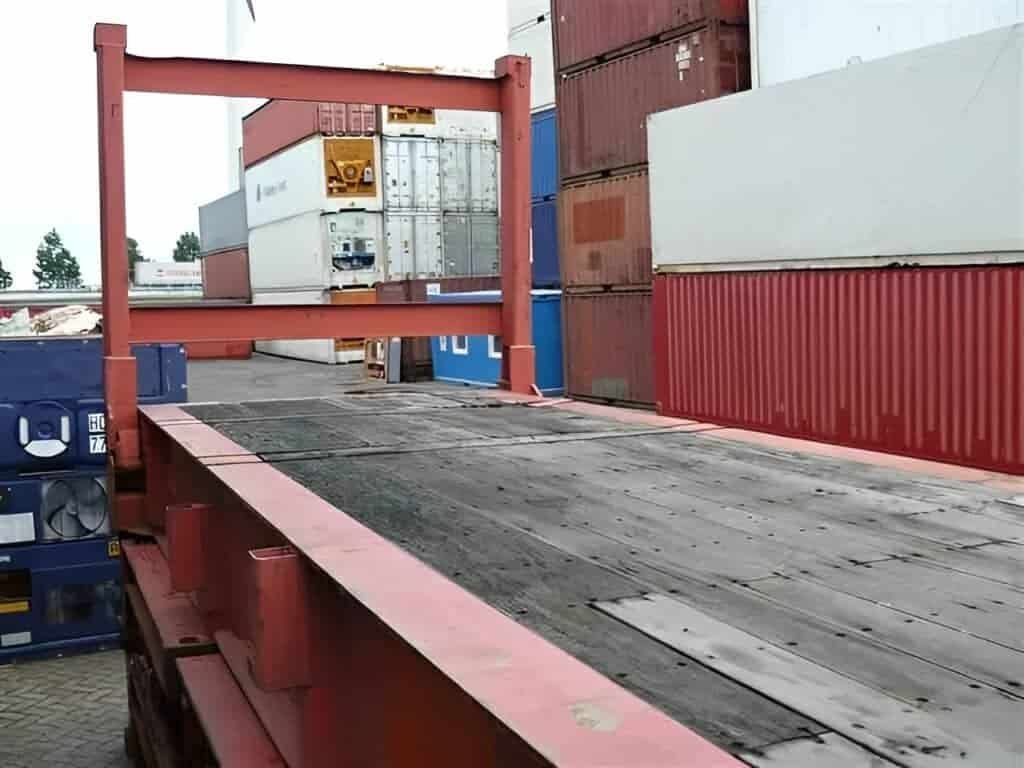
3. Understand the Difference Between New and Used Containers
One of the biggest decisions is whether to purchase a new/one-trip container or a used container.
One-Trip Containers
A one-trip container is generally manufactured overseas and transported to its destination before being sold into the local market.
Because it has had very limited use, it will normally have fewer dents, less corrosion and less general wear than an older container.
One-trip containers can be particularly attractive for:
- Long-term storage
- Container modifications
- Workshops
- Building projects
- Customer-facing applications
- Projects where appearance matters
However, they normally cost more than used containers.
Used Shipping Containers
Used containers can offer excellent value when you don’t need a nearly new unit.
A used container may show:
- Surface rust
- Scratches
- Paint fading
- Minor dents
- Previous repairs
- Cosmetic wear
These issues don’t automatically mean the container is unsuitable.
The important distinction is between cosmetic wear and structural damage.
A used container with some surface rust and dents may still be perfectly suitable for storage, whereas a container with holes, serious corrosion, damaged corner castings or major frame distortion deserves much greater scrutiny.
Industry buying guides similarly emphasize that condition should be evaluated on the actual container rather than relying solely on its advertised grade. (xChange Container Supplier)
4. Check the Container’s Condition Grade
Before purchasing, ask the supplier exactly what condition the container is being sold in.
Common descriptions include:
One-Trip
A relatively new container that has typically made one voyage from its manufacturing location to its destination.
Cargo Worthy (CW)
Cargo-worthy generally refers to a container that meets the structural requirements for continued cargo transport.
If your container will be used for international shipping, confirm the exact certification and documentation rather than relying solely on the phrase “cargo worthy.”
Wind and Watertight (WWT)
A wind-and-watertight container is generally intended to keep weather out and is commonly used for storage.
It may have more cosmetic wear than a newer container and may not be certified for international shipping.
As-Is
An as-is container is generally sold without the same condition guarantees associated with higher grades.
It may be appropriate for buyers who are prepared to undertake repairs or modifications themselves.
The terminology used by suppliers can vary, so ask the seller what their particular grade means and what is included in the sale. (xChange Container Supplier)
5. Inspect the Exterior for Rust
Rust is one of the first things you should inspect when buying a used shipping container.
Some surface corrosion is normal, particularly on older containers that have spent years exposed to salt air and changing weather conditions.
The important question is:
Is the rust cosmetic, or has it compromised the steel?
Look carefully at:
- Bottom rails
- Side panels
- Roof edges
- Door frames
- Corner posts
- Corner castings
- Underside of the container
- Areas around previous repairs
Light surface rust is very different from corrosion that has created holes or weakened structural components.
Deep rust, rust-through and corrosion around critical structural areas should be treated as major warning signs.
6. Check the Roof Carefully
The roof is easy to overlook because it is difficult to inspect from ground level.
It is nevertheless one of the most important parts of the container.
Look for:
- Holes
- Corrosion
- Large dents
- Previous repairs
- Damaged seams
- Areas where water could collect
- Evidence of water entering the container
Large roof dents can create areas where rainwater remains trapped rather than draining away.
If possible, inspect the roof before accepting the container.
7. Check the Doors and Door Seals
A container with a good body but poorly functioning doors can quickly become a problem.
Open and close every door.
Check whether:
- The doors open smoothly
- The locking bars operate correctly
- The handles work properly
- The hinges are intact
- The doors close squarely
- The rubber seals are present
- The seals are not badly damaged
- The doors don’t require excessive force to close
Pay particular attention to the door frame.
A distorted frame can indicate previous impact or structural damage.
When the doors are closed, inspect the interior for daylight around the seals and joints. A detailed inspection checklist from Container Park Global similarly recommends checking the unit’s identity, exterior, interior and light leaks rather than relying only on a seller’s condition description. (ContainerPark Berlin)
8. Inspect the Container Floor
The floor is another area that buyers sometimes overlook.
Most standard dry freight containers have a heavy-duty timber floor designed for cargo handling.
When inspecting a used container, look for:
- Soft spots
- Rot
- Broken boards
- Cracks
- Water damage
- Excessive staining
- Chemical contamination
- Areas that have been patched or repaired
Walk across the entire floor rather than inspecting only the area immediately inside the doors.
A floor that feels soft, spongy or unstable requires further investigation.
9. Look Inside for Water Leaks
One of the simplest inspections is also one of the most useful.
Stand inside the container with the doors closed and look for pinpoints of daylight.
Light coming through a hole or damaged panel can indicate a potential water-entry problem.
Also inspect:
- Roof seams
- Wall panels
- Door seals
- Floor edges
- Corner areas
- Previous repair points
If possible, inspect the container after rainfall or ask the supplier whether the unit has been tested for water ingress.
For storage applications, keeping the contents dry is one of the primary reasons for buying a container in the first place.
10. Examine the Corner Castings and Structural Frame
The four corner castings are critical components of an ISO shipping container.
They are used for:
- Lifting
- Handling
- Stacking
- Securing
- Transport
Inspect the corner castings for cracks, severe deformation or other damage.
You should also examine the vertical corner posts and lower rails.
Significant structural damage should not be treated as a cosmetic issue.
If you’re purchasing a container for international shipping, structural condition becomes particularly important because the container must meet the relevant safety requirements.
11. Check the CSC Plate
If the container is intended for international shipping, ask to see its CSC Safety Approval Plate.
The CSC system exists to establish internationally recognized requirements for the safe testing, inspection, approval and maintenance of freight containers. (International Maritime Organization)
The plate provides important information about the container and its safety approval.
Don’t simply accept a seller’s statement that a container is “CSC approved.” Ask to see the actual plate and verify that the documentation corresponds to the specific container being purchased.
If the container will only be used as static storage, CSC requirements may be different from those applicable to international transportation. Your intended use should therefore determine how important current certification is to the purchase.
12. Check the Container Number and Identification
Every shipping container should have identifying markings.
Before accepting delivery, make sure the container you receive corresponds with the container or specification you purchased.
Record:
- Container number
- Size
- Type
- Condition
- CSC information where applicable
- Supplier reference
- Photos of the unit
If you are purchasing remotely, ask the supplier for recent photographs of the actual container, rather than generic photographs of similar stock.
This is particularly important when buying used containers.
13. Ask About Previous Repairs
A repaired container isn’t necessarily a bad container.
Shipping containers work in demanding environments, so repairs are common during their service life.
The important thing is understanding:
What was repaired, why was it repaired, and how was it repaired?
Ask about:
- Panel replacements
- Roof repairs
- Floor repairs
- Door repairs
- Welding
- Structural repairs
- Rust treatment
- Previous modifications
A professionally repaired container may continue to provide many years of useful service.
Poorly executed repairs, however, can create future leaks and structural problems.
14. Consider Your Local Climate
Your environment should influence the container you purchase.
If the container will be located in an area with:
- High rainfall
- Coastal exposure
- High humidity
- Strong sunlight
- Salt air
- Extreme temperatures
then corrosion protection and water resistance become particularly important.
A container located close to the ocean may experience significantly more aggressive corrosion than one located inland.
Consider the quality of the paint system, existing corrosion and whether you will need to carry out preventative maintenance.
15. Think About Delivery Before You Buy
A container isn’t useful if you can’t get it onto your property.
Before paying, confirm:
- Delivery address
- Road access
- Vehicle access
- Gate width
- Overhead clearance
- Turning space
- Ground conditions
- Placement location
- Crane requirements
- Delivery vehicle type
A large delivery truck needs enough space to safely access the property and position the container.
Some deliveries require specialized lifting equipment, particularly when the container needs to be placed away from the roadside.
Discuss the delivery method with the supplier before purchasing, not after the container has already been dispatched.
16. Consider the Ground Where the Container Will Sit
A shipping container should ideally be positioned on a suitable, stable surface.
Potential options include:
- Concrete
- Gravel
- Concrete blocks
- Steel supports
- Purpose-built container foundations
The objective is to keep the container stable while allowing appropriate drainage underneath.
Avoid positioning a container directly in an area where water regularly pools.
Good site preparation can also make future maintenance and access considerably easier.
17. Don’t Compare Prices Without Comparing Specifications
A common mistake is comparing two containers based solely on their advertised price.
Instead, compare:
| Factor | Supplier A | Supplier B |
|---|---|---|
| Container size | ||
| Standard / High Cube | ||
| New / Used | ||
| Condition grade | ||
| CSC status | ||
| Floor condition | ||
| Door condition | ||
| Rust level | ||
| Warranty | ||
| Delivery | ||
| Placement | ||
| Total price |
A container that appears cheaper initially may become more expensive once delivery, repairs, modifications and site preparation are included.
The total delivered cost is usually more useful than the advertised container price.
18. Ask the Supplier the Right Questions
Before placing an order, ask the supplier:
- Is the container new, one-trip or used?
- What condition grade is it?
- Is it wind and watertight?
- Does it have any holes?
- How much surface rust is present?
- Has the floor been repaired?
- Are the doors and seals in good condition?
- Is the roof damaged or heavily dented?
- Does it have a CSC plate?
- Is the CSC approval current if I need it for international shipping?
- Can I inspect the actual container?
- Can you provide recent photos?
- Is delivery included?
- What type of truck will deliver it?
- What happens if the delivered container doesn’t match the agreed condition?
A reputable supplier should be able to explain exactly what you’re purchasing.
19. Be Careful When Buying a Container Online
Online listings make it easy to compare prices, but photographs can sometimes hide important defects.
If you’re purchasing without physically inspecting the container, request:
- Current photographs
- Interior photographs
- Exterior photographs
- Roof photographs
- Door photographs
- Floor photographs
- CSC plate photographs where applicable
- Container number
- Written condition description
Ideally, photographs should show the specific container being offered, not merely a representative example.
If an inspection is possible, take advantage of it.
Recent container inspection guidance also recommends documenting the container with photographs before delivery or acceptance, particularly when buying remotely. (ContainerPark Berlin)
20. Consider Whether You Need a Standard or High Cube
The extra height of a High Cube can be valuable for certain applications.
Consider a High Cube if you’re planning:
- Workshop conversions
- Office conversions
- Container homes
- Tall shelving
- Machinery storage
- Large-volume storage
- Insulation and internal lining
Remember that insulation, flooring, wall lining and ceiling systems will reduce the usable internal dimensions.
If you’re planning a conversion, calculate the finished internal dimensions, not simply the external dimensions of the container.
21. Don’t Automatically Buy the Newest Container
Newer isn’t always the most economical choice.
For simple storage, a sound used container may provide everything you need at a lower purchase price.
A one-trip container can make more sense when:
- Appearance matters
- You’re building a conversion
- You want minimal repair work
- You want newer flooring and seals
- The container will be highly visible
- You’re planning long-term use
The right choice ultimately depends on the application and your budget.
Shipping Container Buying Checklist
Before purchasing, run through this checklist:
Size
- 20ft
- 40ft
- 40ft High Cube
- Other specialist size
Condition
- One-trip
- Cargo worthy
- Wind and watertight
- As-is
Exterior
- No serious rust-through
- No major structural dents
- Roof inspected
- Corner castings inspected
- Frame appears square
Interior
- No daylight through holes
- Floor is solid
- No significant water damage
- No unexplained contamination
- Doors seal correctly
Documentation
- Container number verified
- CSC plate checked if required
- Condition confirmed in writing
- Warranty understood
Delivery
- Access confirmed
- Ground prepared
- Delivery method confirmed
- Placement location confirmed
- Total delivered cost confirmed
Final Thoughts
Buying a shipping container doesn’t have to be complicated, but it pays to look beyond the headline price.
Start by deciding what the container will be used for. Then choose the appropriate size, condition and specification. Inspect the roof, walls, doors, seals, floor, corner castings and frame, and pay particular attention to rust and water ingress.
If the container is intended for international transport, verify its CSC safety approval and documentation rather than assuming that a standard ISO container automatically meets every shipping requirement. The CSC framework specifically addresses container testing, inspection, approval and maintenance for international transport. (International Maritime Organization)
Finally, consider delivery and site preparation as part of the purchase—not as an afterthought.
A good shipping container is more than a steel box. The right size, condition, certification, supplier and delivery arrangement can determine whether your purchase remains a useful asset for years or becomes an expensive repair project.
Key takeaway
Before you buy a shipping container, check five things first: size, condition, structural integrity, water resistance and certification. Then confirm delivery requirements and the complete delivered price.
This approach gives you a much clearer basis for comparing containers and suppliers and helps avoid unpleasant surprises after the container arrives.